Piping Fabrication for Medical and Pharmaceutical Facilities
Posted: August 2026
Piping systems in medical and pharmaceutical manufacturing facilities may carry purified water, clean steam, gases, ingredients, or finished pharmaceutical products. What moves through the pipe changes everything about how the system must be fabricated.
Cleanliness isn’t a final inspection item. It affects material selection, welding, surface preparation, documentation, storage, transportation and installation from the beginning of the project.
A small lapse at any point can introduce contamination, compromise a system or create expensive rework.
That’s why sanitary process piping requires more than general fabrication experience. It calls for a team that understands stainless steel, controlled fabrication practices, traceability, and the realities of installing carefully fabricated systems around equipment in the field.
What Makes Pharmaceutical Process Piping Different?
The basic purpose of process piping is straightforward: move a material safely and reliably from one point to another. In a pharmaceutical environment, however, the characteristics of that material create much tighter requirements.
The liquids and gasses passing through this piping can’t be treated like ordinary industrial fluids.
The interior condition of the piping matters.
So do the welds, fittings, surface finish and ability to clean or sanitize the completed system.
A rough interior surface, poorly controlled weld or contaminated component can create a place where residue collects. Even a system that looks acceptable from the outside may not meet the standards required for its intended process.
Sanitary piping fabrication addresses those concerns through controlled materials and processes designed to protect the product flowing through the system.
The work must be planned around cleanliness—not cleaned up after ordinary fabrication practices have already introduced avoidable risks.
Material and Surface-Finish Requirements
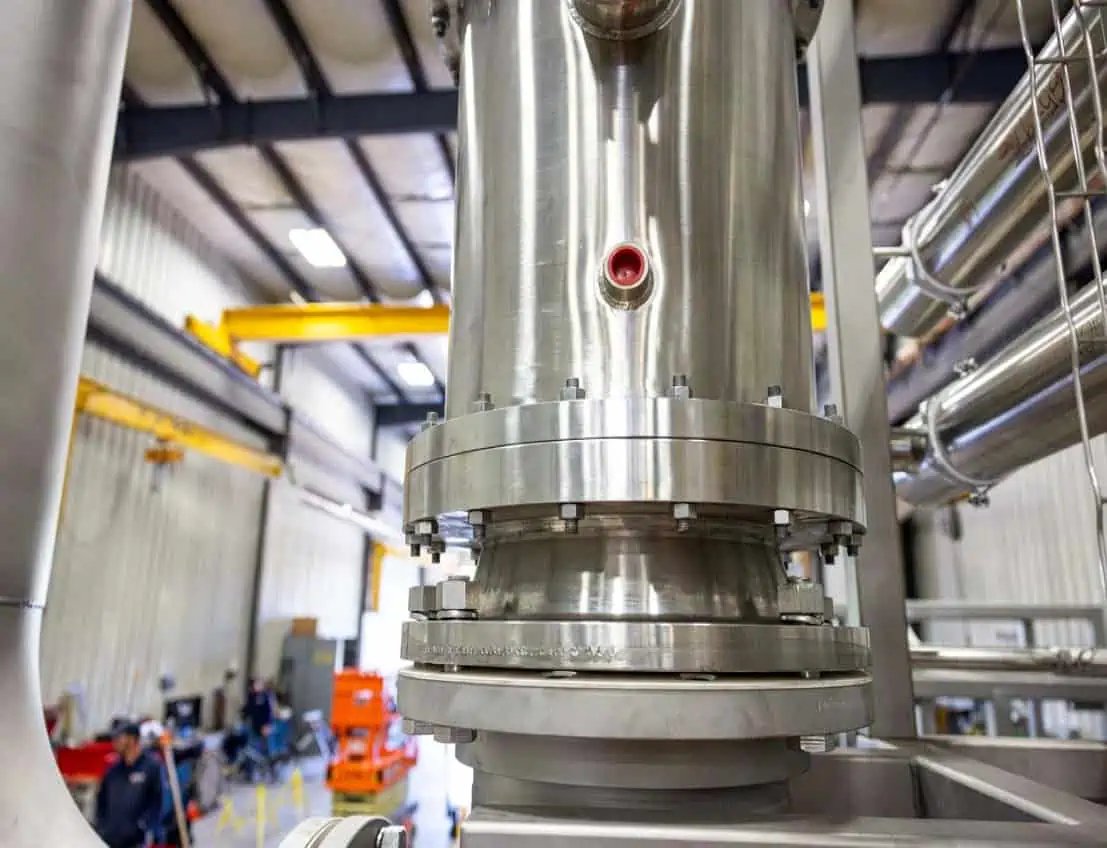
316L stainless steel is commonly used for pharmaceutical process piping because of its corrosion resistance, weldability and suitability for sanitary applications. Material grade alone doesn’t guarantee a successful system, though. The way the stainless steel is purchased, handled, fabricated and documented is just as important.
Surface finish is one of the specifications that can directly affect system cleanliness. Depending on the application, pharmaceutical piping may require an interior finish of 20 to 32 Ra or better. Ra is a measurement of surface roughness. Lower measurements indicate a smoother surface, which can make the piping easier to clean and reduce areas where product or contaminants may remain.
Passivation may also be required after fabrication. The process helps restore and strengthen the protective chromium oxide layer on stainless steel surfaces after welding or handling. The exact requirements depend on the system, project specifications and end use.
Material selection should always follow the project’s drawings, specifications and operating requirements. An experienced fabricator needs to understand not only which material is listed, but why it was selected and how each fabrication step may affect its performance.
For more on selecting and managing fabrication materials, see SWF Industrial’s guidance on materials selection and purchasing.
Welding Sanitary Process Piping
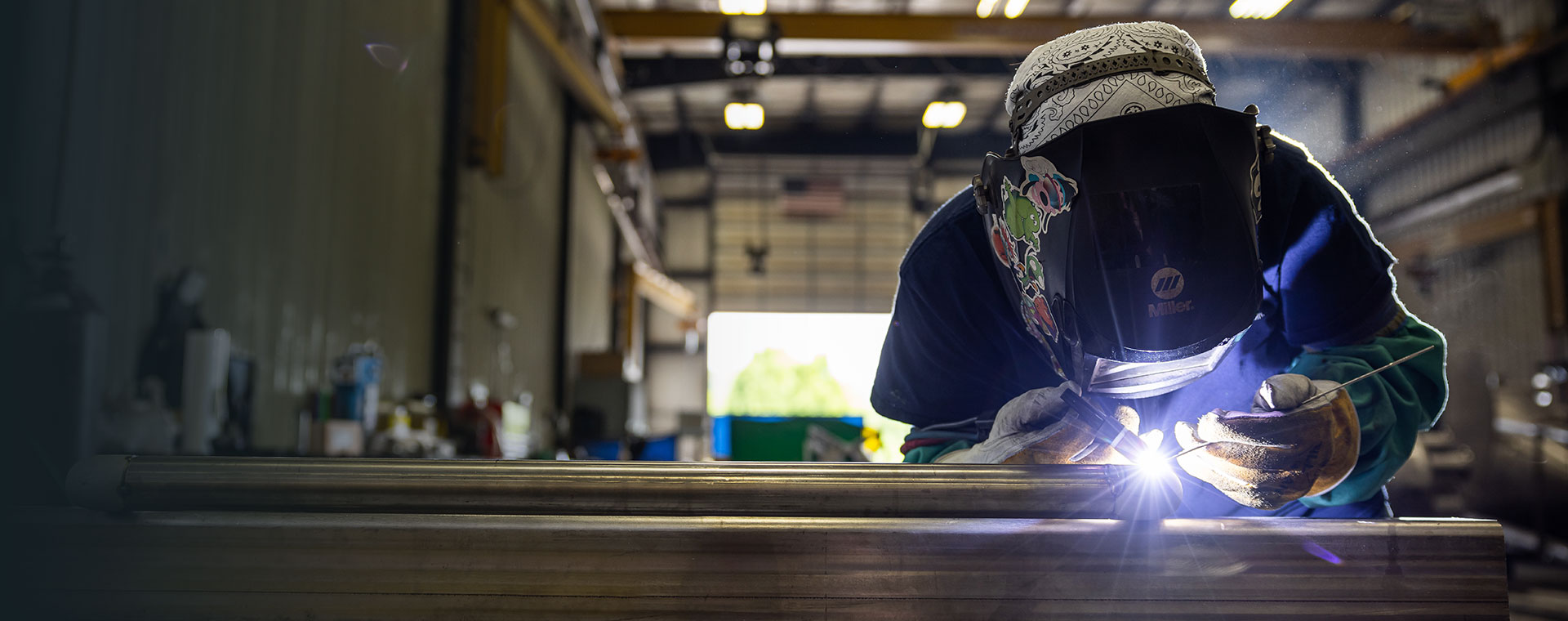
Welding pharmaceutical piping requires tight control of both the exterior and interior of the joint. Purge welding protects the back side of the weld by introducing an inert gas inside the piping during the welding process. This limits oxidation and helps produce a cleaner internal weld.
Orbital welding may be used when a project requires highly consistent, repeatable welds. In an orbital welding system, the welding head travels around the stationary pipe or tube while programmed parameters control the weld. Manual welding may still be appropriate for certain joints, field conditions or configurations, but the method must match the application and project requirements.
Neither process eliminates the need for skilled oversight. Proper fit-up, preparation, purging and inspection still matter. The equipment can help control repeatability, but the result depends on the people planning and performing the work.
Experience with stainless steel metal fabrication is especially important. Stainless steel can be damaged or contaminated by tools, work surfaces and practices that are acceptable for carbon steel fabrication. Separation and disciplined handling are not optional in sanitary work.

Cleanliness From Start to Finish
Cross-contamination is one of the highest risks in pharmaceutical piping fabrication. A sanitary piping project shouldn’t move through the same uncontrolled environment, using the same tools and handling practices, as ordinary carbon steel work.
SWF helps manage that risk through a dedicated fabrication environment for stainless steel work. Keeping materials and processes separated reduces the possibility that carbon steel particles, dirt, grinding residue or other contaminants will reach sanitary components.
But the controls go beyond the building itself. Components must remain clean during storage, fabrication and transportation. Open pipe ends may need to be capped. Finished assemblies must be protected while they wait for delivery. Crews need to think about where a component is placed, who handles it and what it may contact along the way.
Everything about this work points back to the same principle: cleanliness is a process, not a step.
Documentation and Material Traceability
The finished piping assembly is only part of the deliverable. Pharmaceutical projects often require detailed records showing what was used, who performed the work and how the system was fabricated.
Documentation may include:
- Weld maps identifying the location of each weld
- Heat numbers connecting components to their original material records
- Material certifications
- Welder qualifications and certifications
- Inspection and testing records
- Surface-finish or passivation documentation when required
Heat-number traceability is particularly important. It allows the project team to connect installed parts to their material certifications, creating a documented history from the original material through the finished assembly.
This level of recordkeeping requires coordination between purchasing, fabrication, quality assurance and project management. Documentation can’t be reconstructed reliably at the end of the project if information wasn’t captured while the work was underway.
SWF’s approach to quality assurance incorporates quality throughout fabrication rather than treating it as a final check before shipment.
The Value of Shop Prefabrication
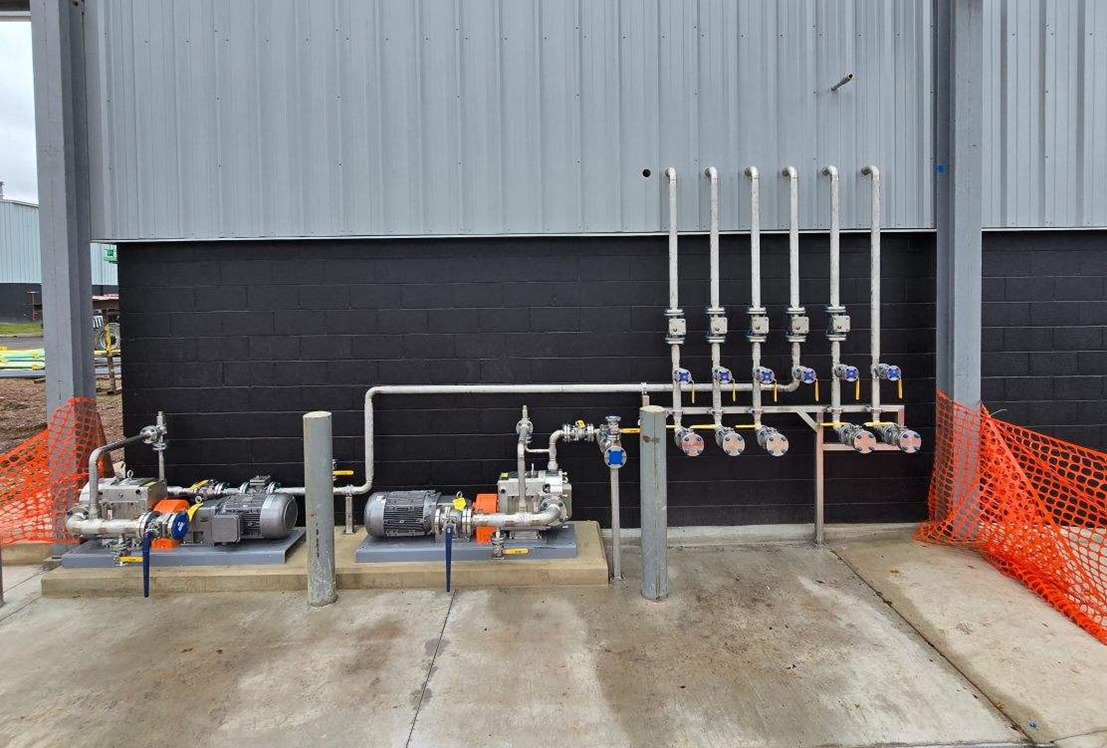
A large portion of a sanitary process piping system can often be prefabricated in the shop. Completing more work in a controlled environment gives the fabrication team better access to tools, welding equipment, inspection resources and cleanliness controls.
Shop fabrication can also reduce the amount of work required inside an active medical or pharmaceutical facility. That matters when crews have limited access, must work around existing operations or need to comply with strict site procedures.
The fabrication plan still has to account for transportation and final installation. Assemblies need to fit through access points, reach their intended location and connect properly to equipment. A spool that is easy to fabricate but impossible to maneuver into place isn’t a successful design.
Final field welds are sometimes necessary to position or connect equipment. Those welds require the same attention to cleanliness, purging and quality as shop welds—often under more difficult conditions.
SWF’s field services help connect controlled shop fabrication with the practical requirements of installation.
Coordinating Around Field Conditions
Drawings provide the plan, but field conditions don’t always match that plan exactly. Equipment may be positioned differently than expected. Existing utilities can create conflicts. Access may be tighter than the drawings suggest.
When that happens, work needs to stop long enough for the team to establish a new, clear plan. Project managers, detailers, fabricators, quality personnel and field crews must all understand the change before fabrication or installation resumes.
Quick action matters, but speed without coordination can turn one field conflict into several new problems. Mature project management for metal fabrication creates a communication path between the people seeing the issue in the field and those responsible for redesigning, fabricating and documenting the solution.
That integrated coordination is especially valuable on pharmaceutical piping projects, where an improvised change may affect slope, cleanability, weld documentation or material traceability.
Choosing a Sanitary Piping Fabrication Partner
Owners, engineers and contractors look for more than a company that can weld stainless steel. Relevant experience matters.
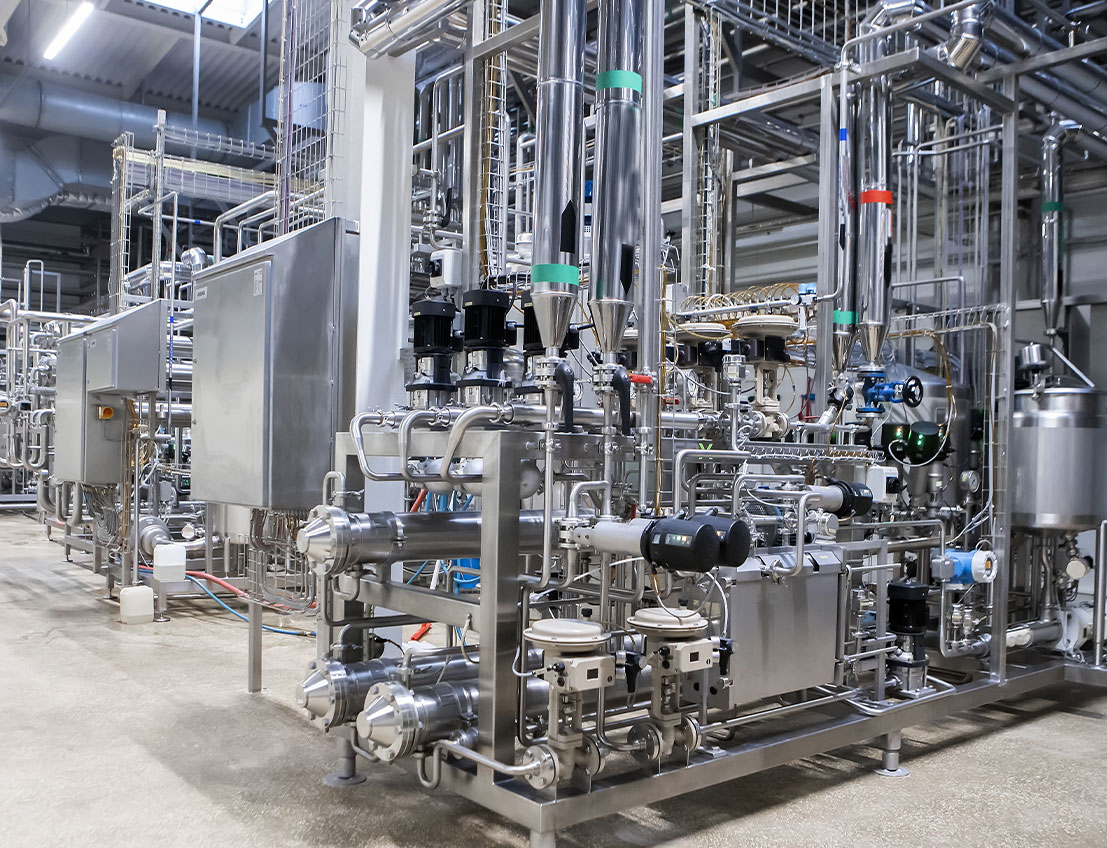
Ask how much sanitary process piping the company has completed and in which industries. Experience in pharmaceutical manufacturing is valuable, as is work in food and beverage environments where cleanliness, stainless steel fabrication and sanitary processes are also central concerns.
Then visit the fabrication facility.
A shop tour reveals details that are difficult to communicate in a proposal. Clients can see how stainless steel is separated, how materials are stored, whether the work areas are organized and how quality practices appear in daily operations.
The right partner should also be able to explain how fabrication, documentation, project management and field installation work together. Pharmaceutical piping doesn’t leave much room for disconnected teams.
SWF Industrial combines industrial construction, fabrication, quality assurance and field services to help clients manage the full path from project planning through installation. That experience gives clients a partner they can trust with both the visible work and the details hidden inside the system.